

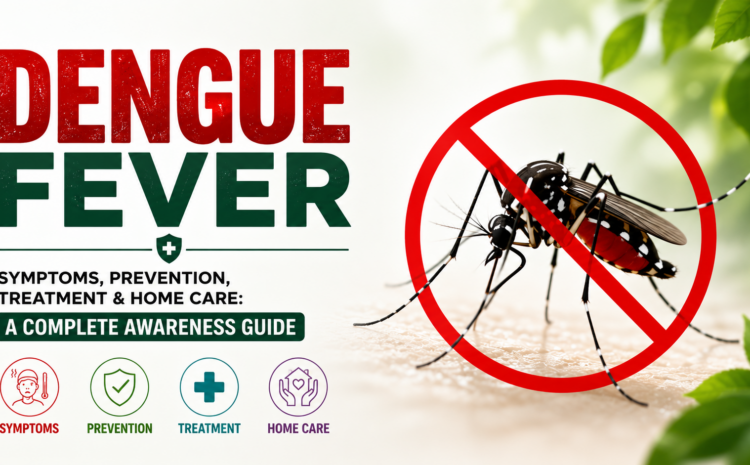
Dengue Fever Symptoms, Prevention, Treatment & Home Care: A Complete Awareness Guide
Dengue fever is one of the most common viral infections you can catch from mosquitoes, especially when the monsoon season rolls in. Every year, thousands of people in India end up affected by dengue because mosquito breeding increases from stagnant water. While there is no single cure for dengue, early detection, good hydration, and getting medical help on time can stop serious complications from becoming worse.
As a trusted pharmaceutical company in Kerala, Shirr Pharma feels that awareness is the very first step towards shielding families and communities from dengue.
What is Dengue Fever?
Dengue is a viral infection caused by the dengue virus, and it gets passed along through the bite of an infected Aedes aegypti mosquito. And yes, unlike those mosquitoes that tend to bite at night, the Aedes kind is more on the move during early morning, and also before sunset.
Also, dengue doesn’t spread straight from one person to another no it only spreads through bites from infected mosquitoes that are the main thing.
Common Symptoms of Dengue Fever
Symptoms tend to show up somewhere around 4–10 days after a person gets bitten by an infected mosquito.
Be alert for:
- High fever, about 104°F (40°C)
- Very strong headache
- Pain that feels behind the eyes
- Muscle and joint aches, also called break bone fever
- Intense fatigue, weakness, just worn out all the time
- Nausea plus vomiting.
- A skin rash, red patches or blotches
- Light bleeding from gums or the nose
- Bruises that appear too easily
Warning Signs (Seek Immediate Medical Care):
- Severe abdominal pain
- Continuous vomiting.
- Hard time breathing, or difficulty to catch your breath.
- Blood in the vomit, or even in the stool.
- Very extreme sleepiness, or sometimes the opposite, restlessness.
- Cold, clammy skin, feeling damp and chilly.
- Less urine than normal reduced urine output.
These signs could point to severe dengue, and that needs urgent hospital care..
How to Prevent Dengue
Prevention starts at home and in the community.
Keep Your Surroundings Clean
- Get rid of the stagnant water in buckets, flower pots tires coolers and any kind of containers.
- Clean the water storage tanks once per week, like really weekly.
- Make sure the drains stay clean and unclogged to keep water flowing smoothly.
- Throw away or dispose of unused containers in the right way properly. .
Protect Yourself from Mosquito Bites
- Try to wear long sleeved clothing, fully covered if you can.
- Use mosquito repellents, as a sort of barrier.
- Install window screens or use mosquito nets, either one works.
- Also keep doors and windows shut during the busiest mosquito hours, when they are most active.
Maintain Good Hygiene
- Keep your place and everything around it clean, like really clean.
- Try not to let water pool anywhere near the house.
- Make sure you close tightly all water holding containers, so nothing leaks or sits around too long.
- Get the neighbors involved with cleanliness rounds in the neighborhood, not just once in a while.
How to Manage Dengue at Home
If diagnosed with dengue, follow your doctor’s advice carefully.
Stay Hydrated
Drink plenty of:
- Water
- ORS
- Coconut water
- Fresh fruit juices
- Clear soups
Proper hydration is one of the most important parts of dengue recovery.
Get Enough Rest
The body needs adequate rest to recover from the viral infection.
Monitor Platelet Count Carefully
Platelet count should be monitored only as advised by your doctor. A low platelet count by itself doesn’t always mean that a platelet transfusion will be necessary, sometimes it’s more subtle than that.
Take Medicines Safely
For fever, doctors typically suggest paracetamol. Try not to take ibuprofen or aspirin unless a healthcare professional told you directly, because those options might elevate the risk of bleeding.
Don’t do self-treatment.
When Should You Visit a Hospital?
Go to a hospital right away if you notice:
- Persistent very high fever
- Severe vomiting, not stopping
- Trouble breathing
- Bleeding coming from gums or nose
- Intense weakness
- Confusion, or becoming unconscious
- Severe pain in the belly
Quick medical care can actually save lives.
Frequently Asked Questions (FAQ)
- Can dengue spread from one person to another?
No, dengue does not really move person to person. It can only spread when a Aedes mosquito that is infected bites someone.
- Can children get dengue?
Yes, kids can absolutely get it. Dengue can show up in all ages, including children and older people too.
- Is there a medicine that cures dengue?
Not exactly. There is no single specific antiviral medicine that “cures” dengue. The main approach is keeping the person well hydrated, managing fever, and watching closely for warning signs or complications.
- What foods should dengue patients eat?
Generally, soft and wholesome meals tend to help. Think along the lines of fruits, vegetables, soups, rice, porridge, and foods with enough protein. Also, drinking plenty of fluids is very important, maybe even more than usual.
- Can dengue occur more than once?
Yes, it can happen more than once. A person might get dengue again because the virus has different types (serotypes).
Conclusion
Dengue is preventable, and awareness is kind of the strongest defense we have. Keeping a clean environment, using good hygiene, getting protection against mosquito bites, and seeking early medical attention can really cut down the chance of severe illness. Don’t just brush off a persistent fever, or any warning signs, especially when the rainy season is around
Shirr Pharma, a trusted Pharmaceutical Company in Kerala, is committed to helping healthier communities through quality healthcare solutions and public health awareness. Let’s work together to fight dengue by making sure our homes our workplaces, and our neighborhoods stay clean, and mosquito-free too,