
The Global Stroke Epidemic: Numbers That Demand Our Immediate Attention
Because every year some 12 million people worldwide have a stroke, with the deaths and permanent disabilities being reported in millions every year, it is projected that about 24 million will have strokes by 2035 with aging populations, lifestyle-related risk factors, and inequitable access to healthcare. The steepest increases have been registered in low- and middle-income countries, where lack of preventive services and timely treatment worsen outcomes. For example, some rural areas of Southeast Asia and Sub-Saharan Africa often face challenges in finding timely diagnoses and therapeutic interventions, which correspondingly increase their levels of mortality and disabilities.
The Massive Economic Toll of Stroke Worldwide
The financial upside of doing this is unspeakably enormous—the stroke care is estimated to cost almost $34 billion in the U.S. annually, with medical services, lost productivity, and long-term care included. In Europe, the prices are about €45 billion, with the cost weighing heavily on the healthcare systems and families. These stark facts point out a harsh reality: stroke is not just a medical crisis but an equal global public health and economic problem that requires immediate response.
Stroke in India: A Growing Health and Economic Crisis
The alarming situation in India consists of around 1.5 million to 1.8 million new stroke cases every year. Economic pressures are predicted to touch ₹50,000 crore (around $6 billion US) by the year 2024, wherein this would consist of direct healthcare expenses, informal caregiving, and loss of income. Urban areas experience higher incidences of strokes on account of sedentary lifestyles and unfavorable diets, whereas rural locales face worse results owing to the nonavailability of stroke-ready medical facilities in time. Uncontrolled hypertension would lie on the top as the modifiable risk factor, mainly in those communities that hardly ever possess health screening facilities.
What Happens During a Stroke? Understanding the Devastation
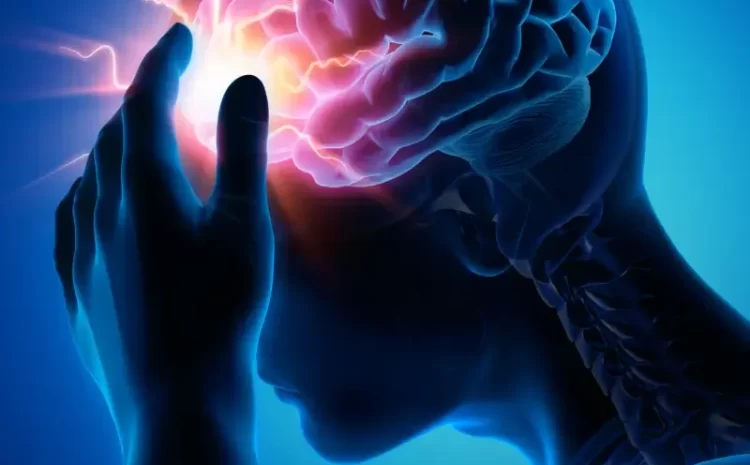
When blood flow through a part of the brain is suddenly stopped, brain cells are denied oxygen and nutrients—a stroke. The two major types are
Ischemic stroke (which constitutes about 80% of stroke cases) occurs when a blood clot or a narrowing in an artery obstructs the cerebral circulation.
Hemorrhagic stroke, causing bleeding into the brain through some ruptured blood vessels, may often arise from uncontrolled hypertension or an aneurysm.
The effects are very rapid and devastating. Brain cells start dying within minutes; at an estimate, 2 million neurons die every minute following stroke onset, thereby causing the irreversible impairment of speech, movement, memory, or simply death. A left hemisphere stroke could potentially cause patients to lose the ability to speak and understand language. Time is brain; the sooner the patient is treated, the less the brain damage and the greater the chances of recovery.
Spot the Signs: FAST Could Save a Life
Quick Recognition = Life Saving
The acronym FAST is very helpful in identifying common symptoms:
Face Drooping: Does one side of their face droop or become numb when they try to smile?
Arm Weakness: Would the person be able to raise both arms? Does one arm drift downwards?
Speech Difficulty: Are they slurring their words? Is the speech different from usual? Can they repeat a simple sentence?
Time: If any one of the above symptoms appears, the emergency number must be dialed.
Diagnosis: Advanced Imaging for Swift Decisions
The difference in determining ischemic from hemorrhagic stroke is critical, as treatment differs. A CT or MRI might be performed quickly to determine the type and direct treatment. With advanced tools like the Syngo.CT Dual Energy Bone Removal display, vascular imaging has been improved by eliminating bone interference, hence offering a clear view of arteries for detecting the areas of blockages or aneurysms even in difficult areas like the skull base.
Revolutionary Treatments: Saving Brains and Lives
Thrombolysis and thrombectomy practically revolutionized the treatment of ischemic stroke. Thrombectomy removes clots physically through catheters, while thrombolysis dissolves clots with drugs. Time is of the essence: thrombolysis should occur within 4.5 hours; thrombectomy, 6 to 24 hours; otherwise, they could be implicated in permanent brain injury without recovery. Every minute counts: for each minute of delay, two million neurons die, thereby decreasing the chances of recovery.
The Battle Continues: Preventing Stroke Recurrence
Stroke survival is just the beginning. It’s a scary statistic: one in five stroke survivors will go on to have another one, and this time it is usually more serious, within five years. Hence, follow-up care is essential, like trying to identify causes, such as atrial fibrillation, carotid artery disease, or uncontrolled hypertension. In cases of untreated atrial fibrillation, clots can continue to form, jeopardizing the risk of another stroke. These must all be managed in post-stroke care, along with adherence to medication, lifestyle changes, and monitoring. Rehabilitation, secondary prevention, and education all serve as breaks in the chain. Preventive medications include antiplatelets such as aspirin and clopidogrel, dual antiplatelet therapy (DAPT), anticoagulants such as apixaban, rivaroxaban, dabigatran, and edoxaban, antihypertensives such as ACE inhibitors, ARBs, and beta-blockers, anti-diabetics, and antidepressants as necessary.
Prevention is Power: Lifestyle and Medical Risk Control
Alarming though it may seem, nearly 80% of strokes can be prevented by addressing modifiable risk factors, while high blood pressure, cholesterol level, and diabetes silently wreak havoc on these blood vessels, creating conditions conducive to either clot formations or ruptures. Persistent hypertension keeps the arteries under constant pressure, making them prone to hemorrhagic stroke.Stopping smoking strongly decreases the risk, for tobacco doubles that risk by damaging arteries and forming clots. Moderate alcohol consumption keeps blood pressure down and the triggers for a stroke at bay. Heart-healthy diets, however, work in favor of cholesterol and blood sugar control with plenty of fruits, vegetables, whole grains, and healthy fats, whereas trans fats, extra salt, and processed foods hurt cardiovascular health. Exercise sustains circulation, helps maintain a healthy weight, and controls blood pressure. Thus, stroke prevention consists of small, sustainable changes that protect brain and heart health.
Global Disparities: Challenges and Progress
High-income countries acquire the best outcomes by early diagnosis through advanced imaging, specialized stroke units, and treatments. In contrast, most low- and middle-income countries have suffered late diagnosis and limited availability of thrombolysis, a shortage of healthcare workforce, and much more. To rectify this, better healthcare infrastructure, stroke awareness among the public, and emergency response systems must be put into place. On a positive note, stroke programs in Brazil and India have attempts at taking care of prevention and care.
A Hopeful Future: Innovations and Breakthroughs in Stroke Care
There is a subtly occurring revolution in stroke diagnosis and treatment, ushered in by technology and personalized medicine. Artificial intelligence scans dark images of the brain rapidly and accurately in emergencies where every second counts. Likewise, wearables that monitor heart rhythms can detect atrial fibrillation early, hence lowering the risk of stroke. New therapeutics such as NA-1 and URMC-099 aim to protect brain tissue during the primary insult phase of a stroke. Meanwhile, regenerative therapies (stem-cell-derived exosomes and CRISPR-based implants) present a potential for repair and recovery. Newer approaches such as transcranial magnetic stimulation (TMS) and low-intensity focused ultrasound (LIFU) train neuroplasticity, further assisting in brain recovery. Prevention and prompt intervention remain key notes of these campaigns, which include awareness efforts for World Stroke Day, local-level awareness campaigns, and programs. Much more needs to be accomplished through the commitment of every individual, society, and policymaker to invest in stroke-ready infrastructures and ensure that health is rendered equitably.
If thorough research continues, international cooperation persists, and solidarity in the issue remains strong, the daylight might shine on the dream of increasing the preventability and treatability of stroke.
With continued research, global collaboration and the will to act- both personally and collectively- we’re moving closer to a world where stroke is not just treatable but increasingly preventable.